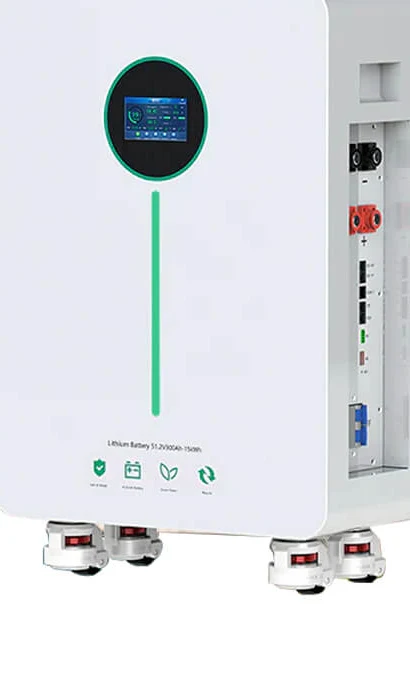
All-in-One Stacked Home ESS 10 kWh / 6 kW
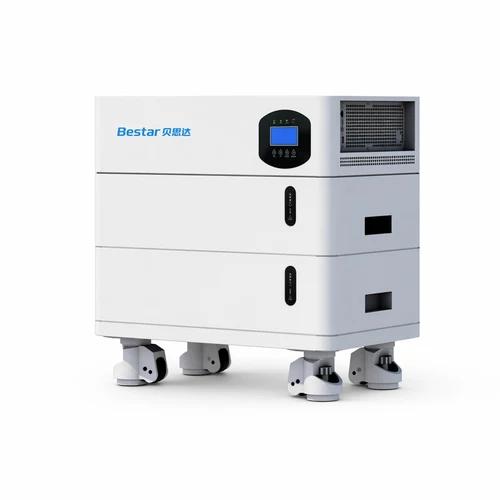
A stacked all-in-one home energy system that combines a 10 kWh LiFePO4 battery with a built-in 6 kW inverter in a single floor-standing unit. Solar and grid ready, it stores PV surplus for evening use and backs up household circuits; the modular stack expands as demand grows, and castor wheels make placement a one-person job.
Key features
- 10 kWh LiFePO4 battery and 6 kW inverter combined in one unit
- Solar and grid ready - stores PV surplus for evening use
- Stackable modular design grows with household demand
- Floor-standing on castor wheels - no wall mounting
- LCD touchscreen for status, settings and diagnostics
Configurable options
Technical specifications
Where this battery fits
A home or small commercial battery earns its place in three ways: it stores surplus solar instead of exporting it at a low tariff, it moves grid import away from peak hours, and it keeps essential circuits live when the grid drops. Which of the three matters most decides the capacity, the chemistry and whether you need an integrated inverter or a battery that pairs with equipment you already own.
Solar self-consumption in a family home
A typical household generates most of its solar between 10:00 and 15:00 and uses most of its electricity after 18:00. A battery sized at roughly one third to one half of daily consumption moves the surplus into the evening and cuts the export that would otherwise be paid at a fraction of the retail tariff.
Peak shaving on a time-of-use tariff
Where the tariff has a pronounced evening peak, the battery charges in the cheap window and discharges through the expensive one. The value here comes from the tariff spread rather than from solar, which makes the system viable even on a property with a small array.
Backup for essential circuits
With a changeover time under 20 ms, lighting, refrigeration, communications and a medical device circuit can ride through a short outage without the equipment noticing. Whole-house backup needs a larger inverter and a transfer switch, and should be sized from the actual start-up load of pumps and compressors rather than from the running load.
Off-grid and weak-grid properties
Cabins, farms and sites at the end of a long distribution line use the same battery with a hybrid inverter and a generator or larger array. Here the priority shifts from tariff arbitrage to cyclic endurance and to how gracefully the system handles a generator input.
How to specify
- Start from the daily consumption figure on the bill, not from the array size. A battery of one third to one half of daily kWh covers the evening peak in most households without paying for capacity that is never cycled.
- Decide between low voltage (51.2 V) and high voltage before choosing a model. Low voltage suits incremental expansion and widely available hybrid inverters; high voltage suits larger single-phase loads and longer cable runs at the same power.
- Check the inverter pairing in writing. A battery that communicates over CAN or RS485 needs a supported protocol list from the inverter manufacturer, and the two documents should be exchanged before the order is placed.
- Match the IP rating to the actual location. IP20 is for a utility room or garage; IP65 is for an outside wall, an outbuilding or a coastal installation where salt and driven rain are part of the environment.
Frequently asked questions
Why LiFePO4 rather than another lithium chemistry?
Lithium iron phosphate tolerates deep daily cycling and higher ambient temperatures better than most alternatives, and it does not rely on cobalt. The trade-off is a slightly lower energy density, which matters less in a stationary installation than cycle life and thermal stability. Units in this range are rated from 6000 to 8000 cycles at 80% depth of discharge.
Can capacity be expanded after installation?
On modular and stacked models, yes: additional modules are added to the same tower or rack and the BMS is configured for the new string. Expansion works cleanly when the added module is the same model and age band; mixing old and new cells in one string is what causes premature imbalance, so the expansion plan is worth fixing at the first order.
Does the battery have to match the inverter brand?
It has to match the inverter protocol, which is usually a narrower requirement. Most units here speak CAN or RS485 and publish a compatibility list; where the existing inverter is not on that list, a hybrid inverter is normally replaced together with the battery rather than adding a protocol converter.
What does all-in-one mean on this model?
Battery, inverter and controls share one stacked cabinet, so the installation is a single unit rather than a battery plus a separate inverter on the wall. It is aimed at indoor utility-room installations, hence the IP20 rating.
Related products
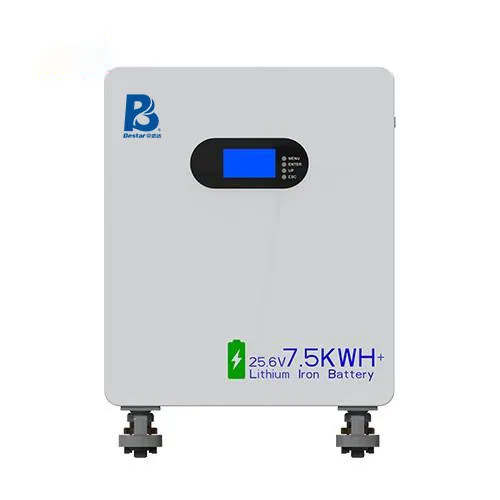
Home Energy Storage 10 / 15 kWh
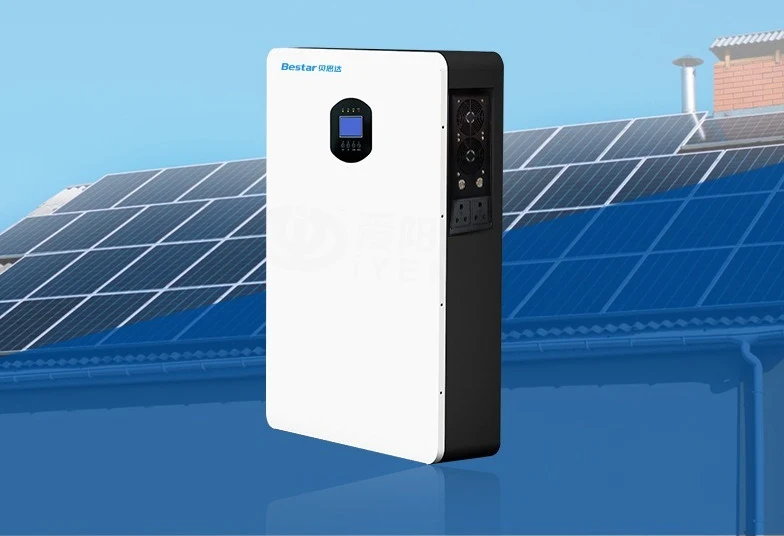
Wall-Mounted Home Battery 5.12 kWh