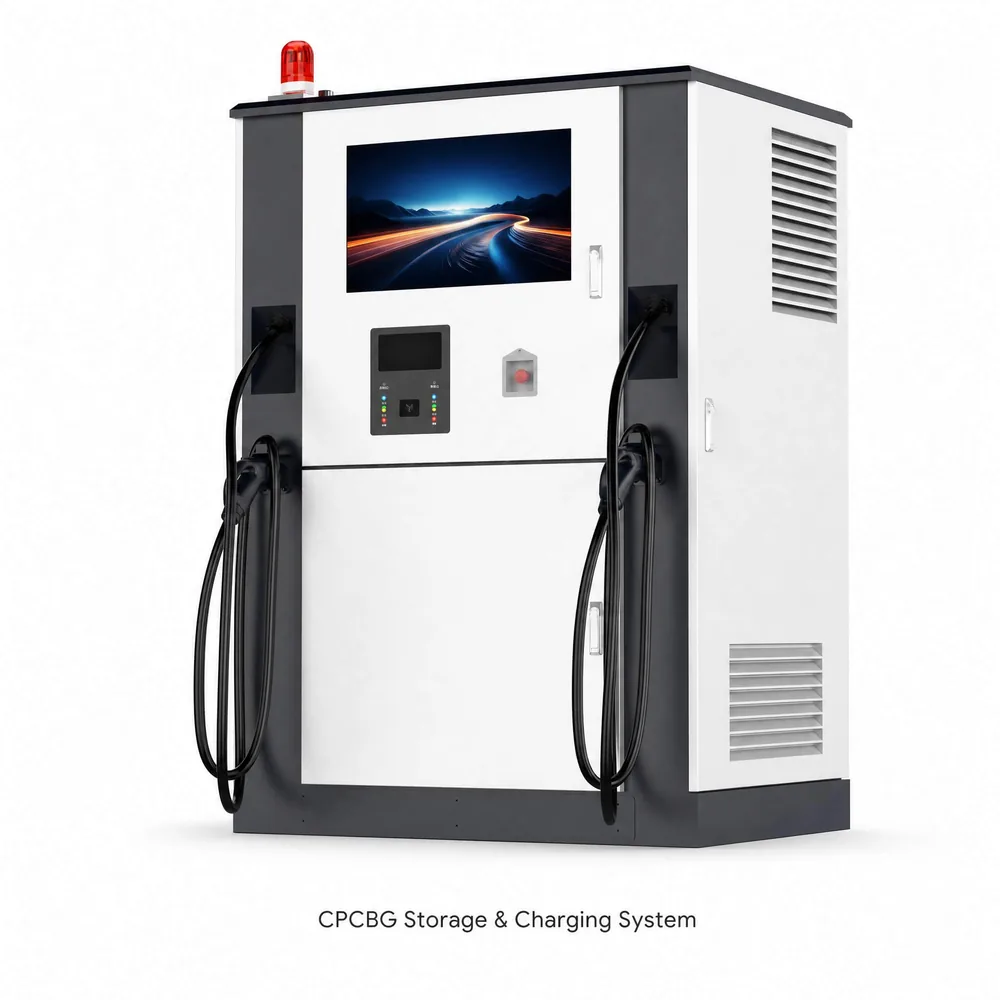
Liquid-Cooled Split DC 360-960 kW
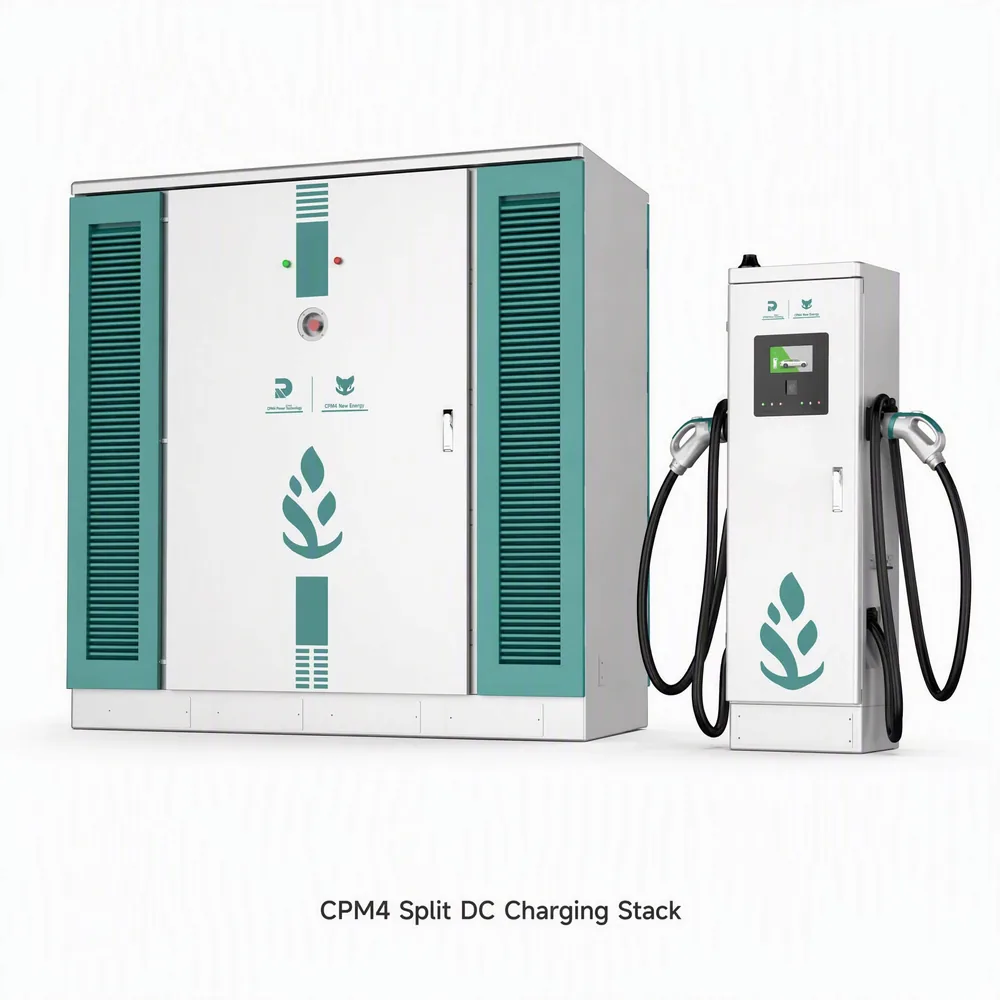
A split DC charging system separating the power cabinet from the dispensers. Liquid-cooled cables carry up to 600 A so vehicles reach high state of charge quickly. Cabinets are stackable from 360 kW to 960 kW and the dispensers are placed where vehicles actually park.
Key features
- Liquid-cooled cables reaching 600 A for high-power charging
- Power cabinet stacked away from the parking bays, dispensers placed at the vehicle
- Dynamic power allocation across all dispensers from one cabinet
- Modular design allows staged expansion as the fleet grows
- Designed for bus depots, logistics yards and highway charging hubs
Configurable options
Technical specifications
Where this charger fits
DC fast charging is specified by dwell time rather than by headline power. A 60 kW unit adds roughly 100 km of range in half an hour for a typical passenger EV; a 240 kW unit does the same in well under fifteen minutes, but only when the vehicle and the site supply can both support it. These units are built for locations that need to move cars through predictably: retail forecourts, highway service areas, fleet depots and public car parks.
Retail, hospitality and leisure forecourts
A charger on a supermarket, hotel or restaurant forecourt converts a stop the customer was already making into a useful top-up. Two guns on one cabinet keeps the installation cost per parking bay low, and the session length matches a typical shopping or meal visit.
Highway service areas and transport corridors
Long-distance drivers arrive with a low state of charge and leave as quickly as possible. Power per gun matters more than the number of bays here, and liquid-cooled cable variants keep full output available on hot days and during back-to-back sessions.
Fleet depots and logistics yards
Vans and light trucks return to the same yard on a fixed schedule. Charging is planned around the shift rather than the driver, so the priority is reliable scheduled sessions, clear reporting and a unit that a duty manager can restart without a technician.
Workplace and municipal car parks
Cars sit for six to nine hours, which means even a modest DC unit removes the need for a wallbox on every bay. Operators usually start with one or two units and add bays as utilisation data comes in from the back office.
How to specify
- Fix the gun standard before anything else. CCS2 covers Europe and most new markets, CCS1 covers North America, GB/T covers China, and CHAdeMO is only worth specifying where legacy Japanese vehicles are still in service.
- Size power to dwell time, not to the brochure. 30-60 kW suits workplace and fleet overnight or half-day parking; 120-240 kW suits retail and corridor sites where the customer wants to leave in twenty minutes.
- Check the site import before confirming output. A 240 kW cabinet needs a supply that can carry it; where the transformer is the limit, a battery-buffered unit lets a fast charger run on a supply that would otherwise be refused.
- Decide on back office and payment in the same conversation as the hardware. OCPP 1.6J keeps the unit portable between networks, and RFID, QR and POS options should be agreed before the cabinet is built rather than retrofitted on site.
Frequently asked questions
What is the difference between an all-in-one and a split DC charger?
An all-in-one cabinet contains the power modules, the controller and the guns in a single enclosure, so it is quicker to install and easier to relocate. A split system separates the power cabinet from the dispensers, which lets one cabinet feed several parking bays and keeps the heavy equipment away from the vehicles. Split systems are normally chosen for six or more bays or for sites where parking layout and power room are far apart.
Can we run the charger on our own management platform?
Yes. The units expose OCPP 1.6J over Ethernet or 4G, so they can be pointed at your own CSMS or at a third-party roaming hub. Local authentication by RFID, QR code, app or VIN continues to work if the connection drops, and transactions are queued for upload when the link comes back.
How is the unit protected outdoors?
Enclosures are rated IP54 with IK10 impact protection on the public-facing models, with IP55 available where washdown or heavy rain exposure is expected. Cooling, cable entry and the gun holster are the three areas that decide long-term reliability, so the specification should state the ambient temperature range and whether derating above 55 C is acceptable for your climate.
How far can the dispensers be from the power cabinet?
The practical distance is set by the DC cable run and its losses, so it is confirmed per project against cabinet rating and dispenser count. Sites with a power room at one end of a car park and bays at the other are the usual reason this architecture is chosen.
Related products
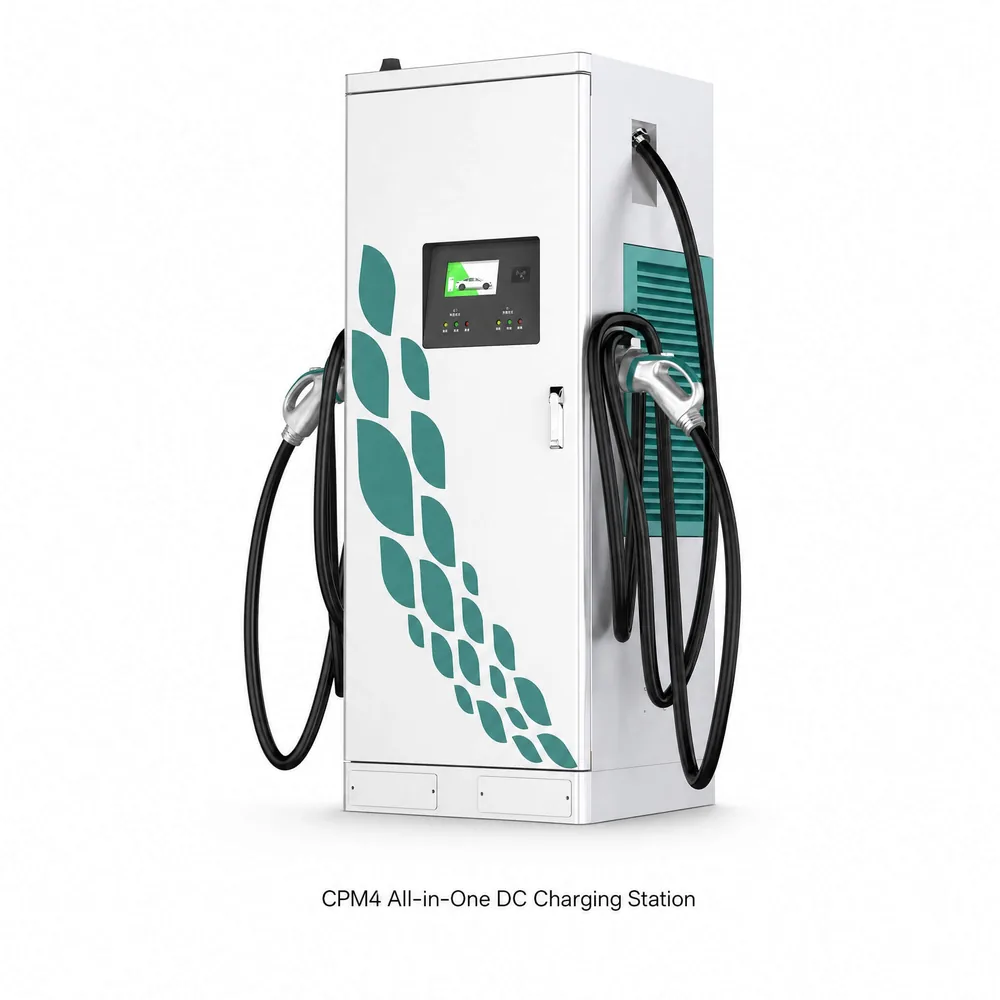
DC Fast Charging Station 60-160 kW
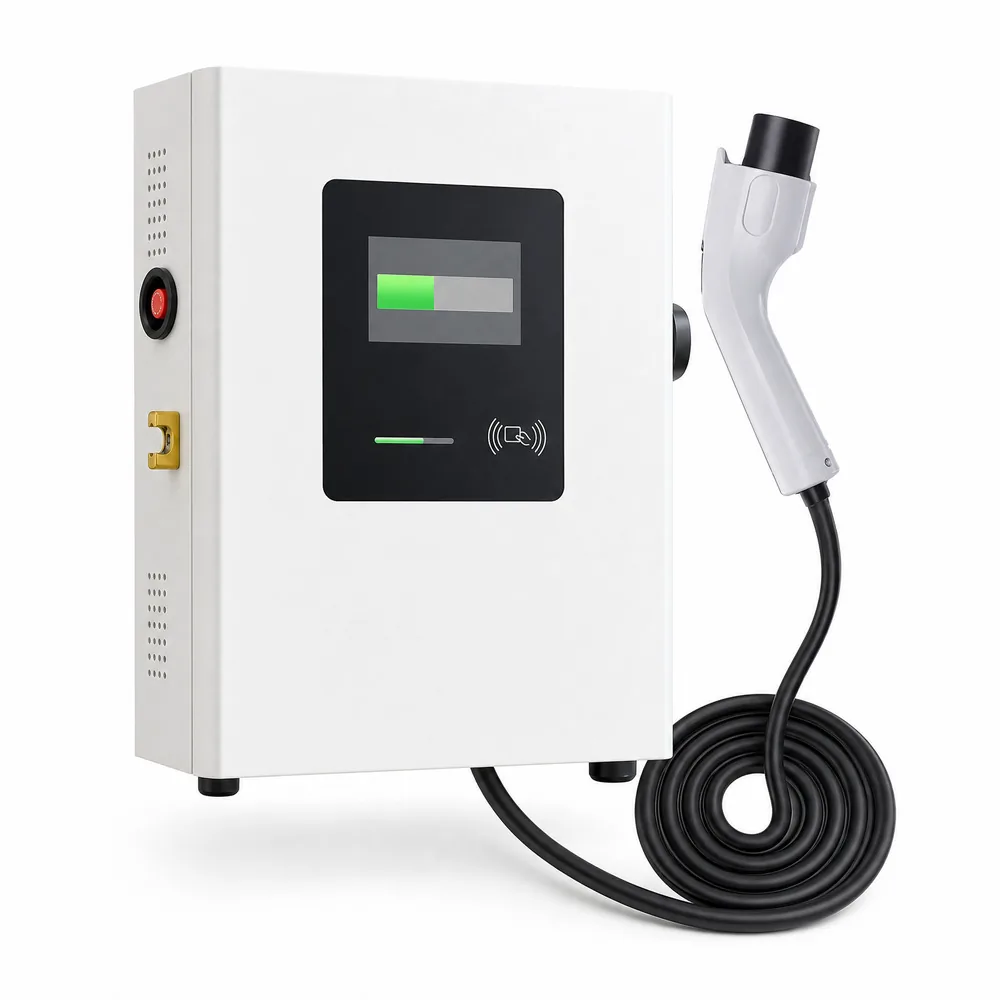
Compact DC Charger 20-40 kW