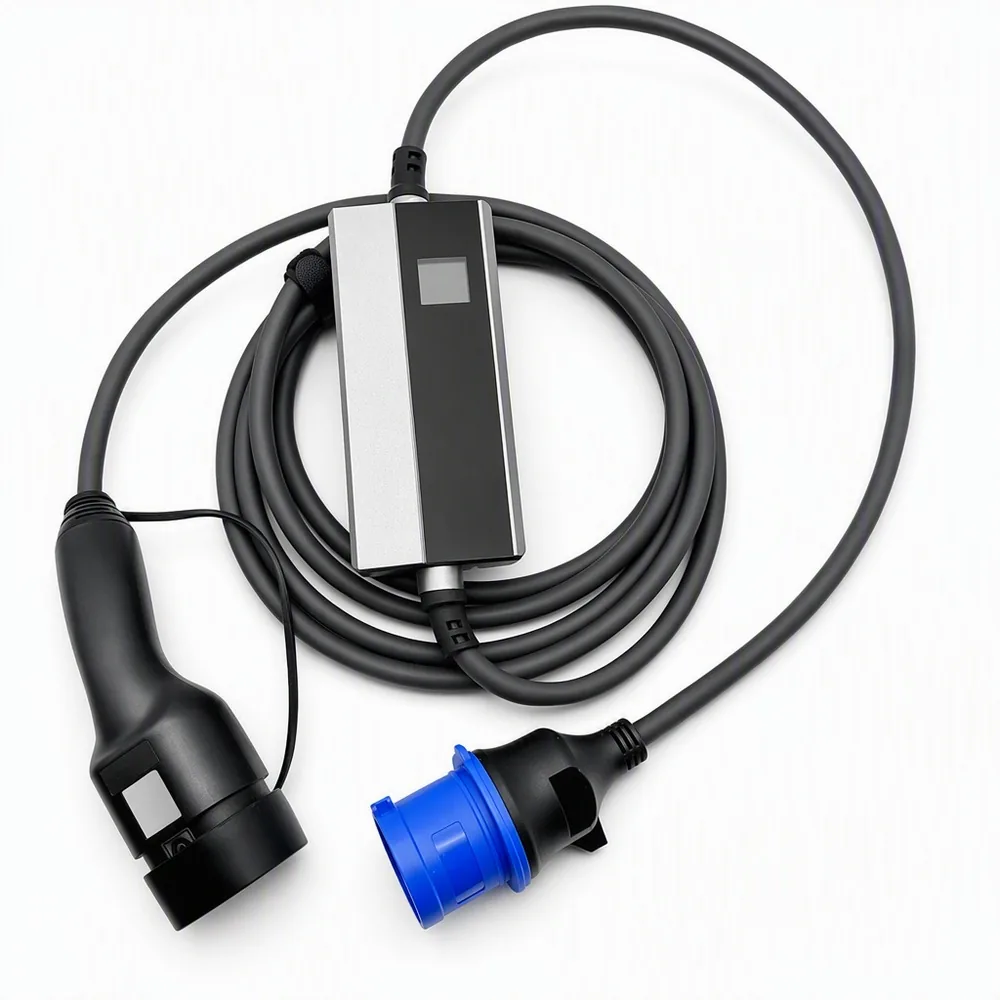
Portable Mode 2 Charger
A portable Mode 2 charging cable with an integrated control and protection device (IC-CPD). Suited to domestic sockets, rental properties, road trips and temporary installations where a fixed wallbox is not practical. Adjustable charging current lets the user match the draw to the available circuit.
Key features
- Adjustable current in 6 steps, set directly on the control box
- Integrated IC-CPD with over-current, over-temperature and earth-fault protection
- Interchangeable plug types for EU, UK and North American sockets
- OLED status display showing voltage, current, power and elapsed time
- TPU jacketed cable rated for -30 C to +50 C outdoor use
Configurable options
Technical specifications
Where this charger fits
A portable Mode 2 charger is the answer when a fixed wallbox is not possible: rented accommodation, a temporary site, a vehicle that moves between locations, or a driver who needs a fallback in the boot. The integrated control box is what separates a safe product from a mains lead with a plug on the end, and it is the part worth reading the specification for.
Rented homes and apartments
Where the landlord will not authorise a fixed installation, a Mode 2 unit on an existing external socket provides overnight charging and leaves with the tenant.
Temporary and construction sites
Site offices, welfare units and short-term compounds use the same unit on a site supply, then move it to the next project without an electrician.
Roadside and breakdown support
A service van carrying a Mode 2 cable can add enough range to reach a charger instead of loading the vehicle onto a truck.
Second charger for occasional use
Households with one wallbox and two cars often keep a portable unit for the second vehicle rather than duplicating the fixed installation.
How to specify
- Match the plug to the sockets actually present in the destination market: Schuko for most of Europe, UK 13 A for Britain, NEMA 5-15 and 14-50 for North America.
- Insist on adjustable current. A fixed 32 A unit will trip a 16 A circuit; a unit that steps down to 8 A or 10 A can be used safely on a domestic ring main.
- Check the IP rating of the control box separately from the cable. IP66 on the enclosure is what allows the unit to be left outside between sessions.
- Choose cable length against real parking positions. Five metres covers most driveways; eight metres is worth specifying where the socket and the car are on opposite sides of a building.
Frequently asked questions
What is the difference between Mode 2 and Mode 3 charging?
Mode 2 uses a domestic socket with protection and control built into the cable, which is what a portable unit does. Mode 3 uses a dedicated charging point with permanent wiring and communication between charger and vehicle, which is what a wallbox does. Mode 2 is slower and limited by the socket; Mode 3 is the correct permanent solution.
Can a portable charger be used in the rain?
The control box on these units is rated IP66, so rain is not the problem. The socket is. A domestic socket that is not rated for outdoor use, or that sits in a puddle, is the risk, and an outdoor-rated socket with a cover should be part of the installation.
Does it need a dedicated circuit?
At 8-10 A it will usually run on an existing circuit; at 16 A or above it should have its own circuit and RCD. The adjustable current setting exists precisely so the user can match the draw to the circuit rather than the other way round.
Is the control box protected against overheating?
Yes. The IC-CPD monitors temperature at the plug and in the enclosure and reduces or stops the charge if either rises beyond its limit, which is the failure mode that damaged early portable units on worn domestic sockets.
Related products
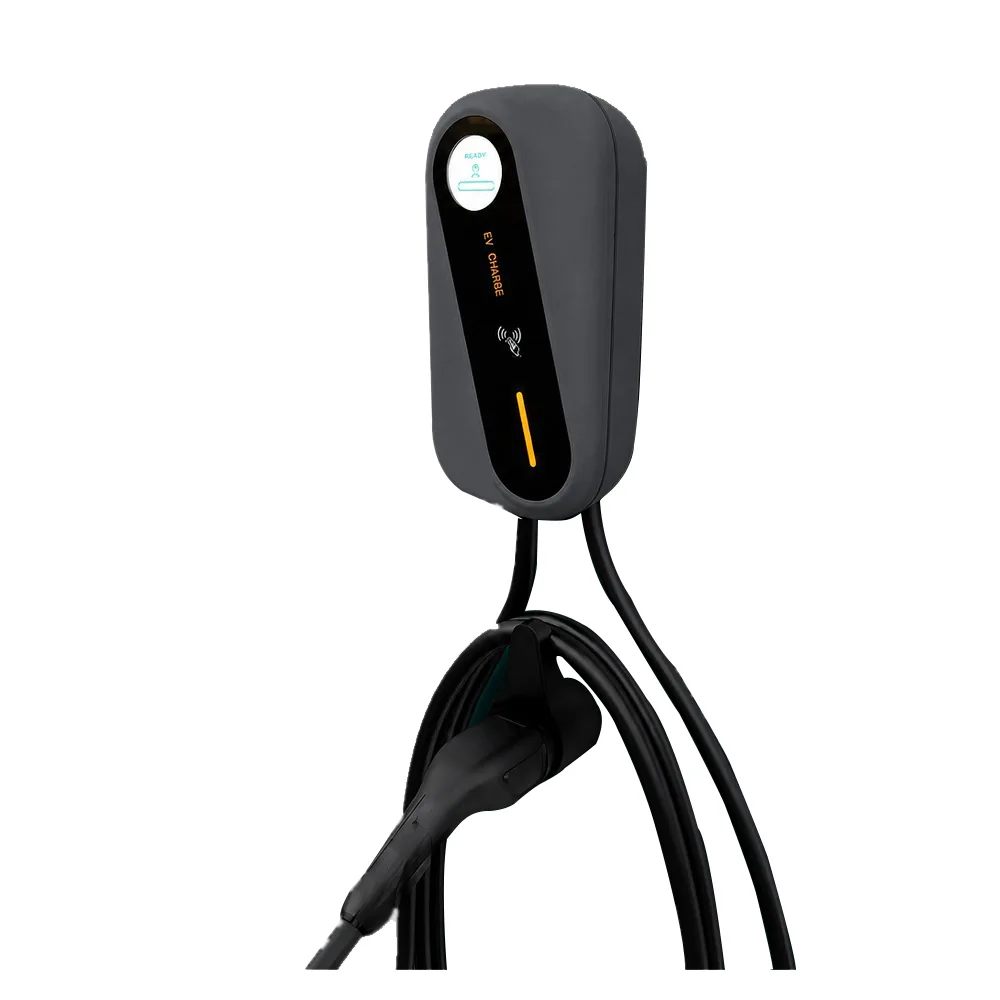
Level 2 AC Wallbox 7-22 kW
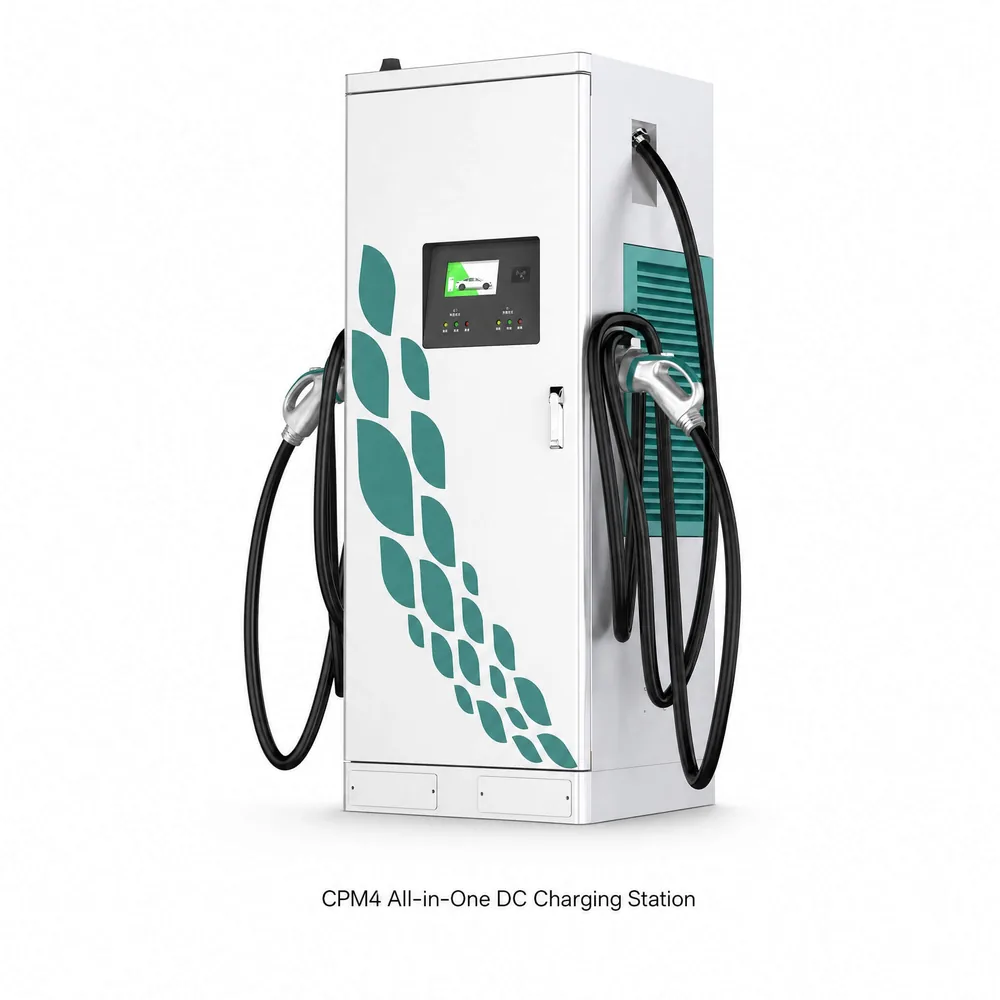
DC Fast Charging Station 60-160 kW