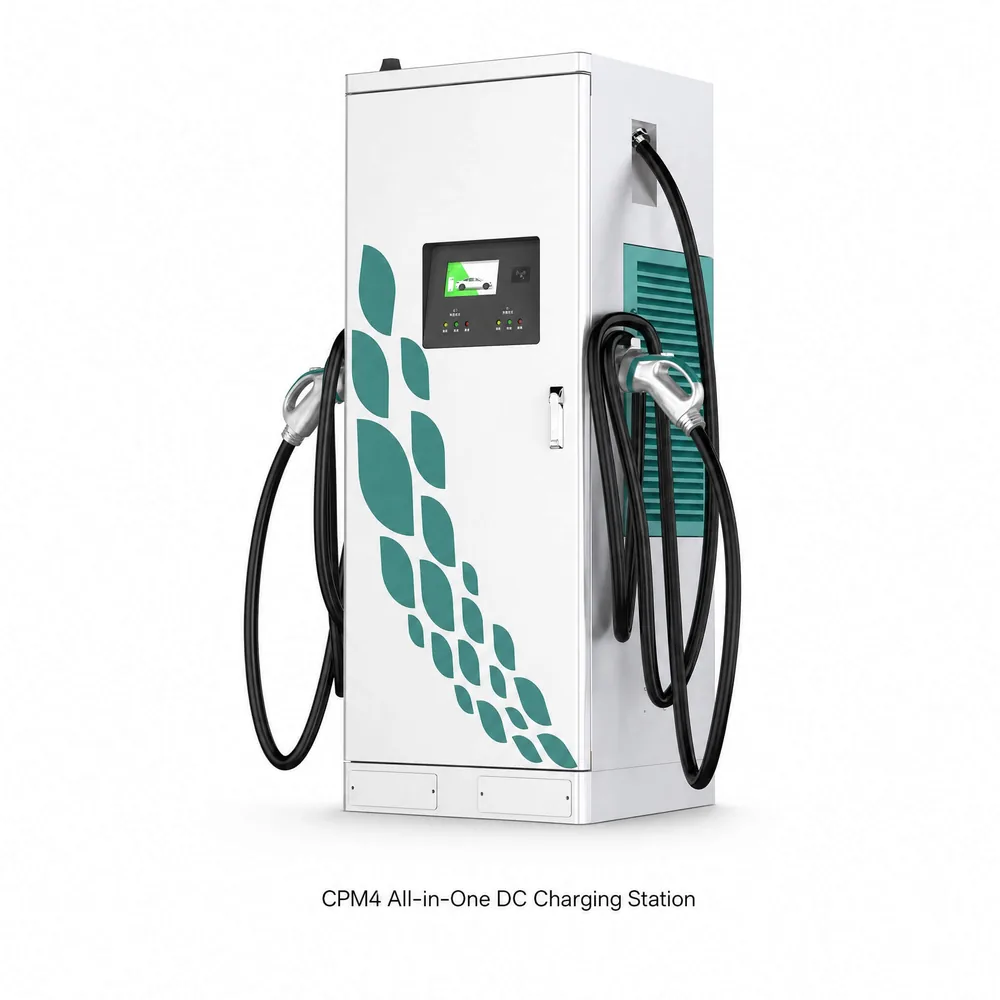
Connectors, Cables & Power Distribution
The connector, cable and power distribution components that complete an installation. Supplied alongside the charger range so a project can be sourced from a single supplier, and available separately for installers maintaining existing sites.
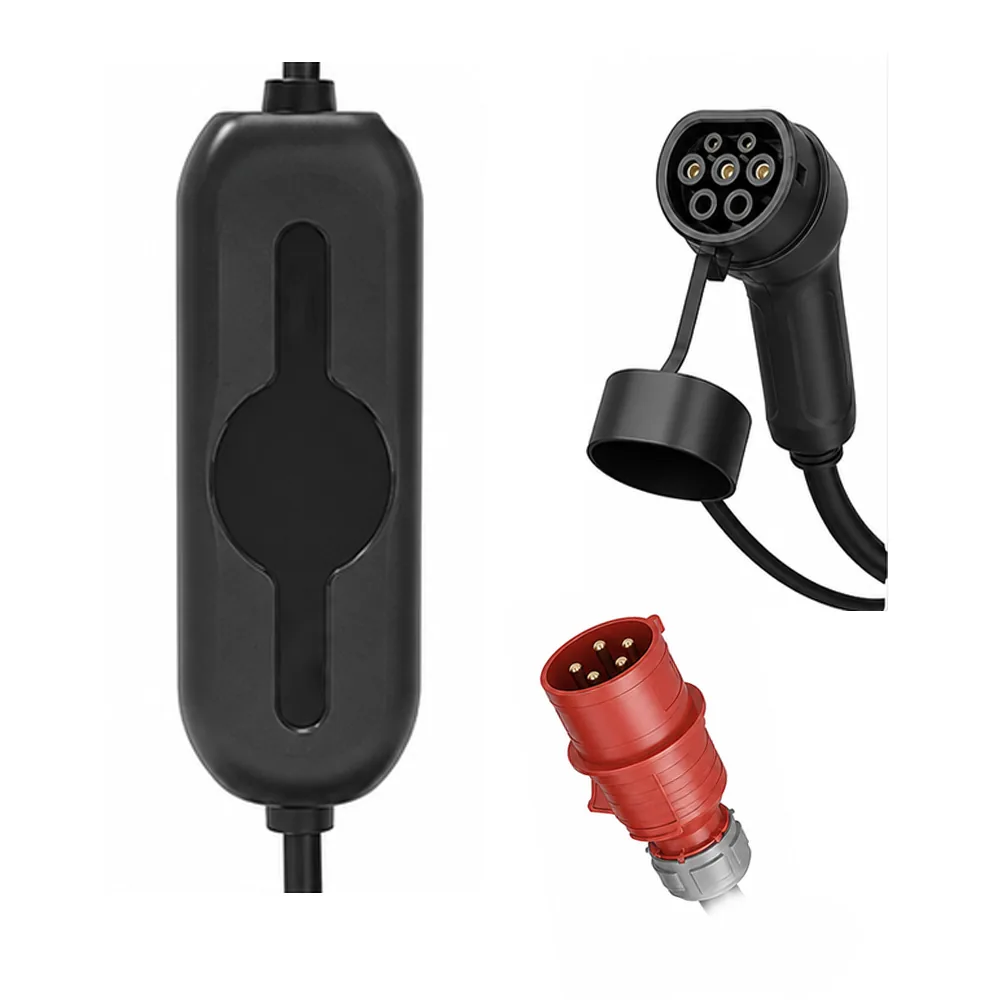
Key features
- Connector and cable types matched to the destination market
- AC and DC distribution cabinets with integrated metering
- One supplier for chargers, connectors and distribution equipment
- Installation accessories available on the same order
- Spares and replacement cables supplied for after-sales service
Configurable options
Technical specifications
Where these components fit
Connectors, cables and distribution equipment are the parts that decide whether an installation is finished properly. Buying them from the same supplier as the chargers keeps the gun standard, the cable rating and the protection scheme consistent, and avoids the common failure where a correctly specified charger is let down by an undersized cable or an unprotected distribution board.
Completing a charger installation
A project sourced as a single package arrives with guns, cables, pedestals and distribution matched to the chargers, which shortens commissioning and removes compatibility arguments between suppliers.
Maintaining an existing site
Cables and guns are the parts that wear. Keeping a spare set matched to the installed chargers shortens downtime when one fails.
Upgrading connector standards
Sites moving from Type 1 to Type 2, or adding CCS2 to an older DC installation, can replace the cable assembly without replacing the charger.
Installer and distributor stock
Installers who fit several brands keep a small stock of the common cable and gun types so that a site visit is not delayed by a missing part.
How to specify
- Match the gun to the vehicle side, not to the charger side. Type 2 and CCS2 dominate Europe, Type 1 and CCS1 North America, GB/T China.
- Check the current rating against the charger output. A 32 A cable on a 22 kW three-phase unit is correct; the same cable on a 43 kW unit is not.
- Specify the protection in the distribution equipment, not only in the charger: surge protection and earth-fault protection at the board are what protect the whole installation.
- Agree cable length and management at the same time as the charger. A cable that is too short is a permanent nuisance, and one that is too long is a trip hazard and a wear point.
Frequently asked questions
Can we buy cables separately from the chargers?
Yes. Cables, guns and accessories are available on their own for installers maintaining existing sites, and are supplied matched when bought with a charger order.
Are the connectors compatible across brands?
The connector standards are, which is the point of Type 2 and CCS2. What is not always compatible is the cable assembly fixing and the locking actuator, so a replacement cable should be specified against the charger model rather than the connector alone.
Can a whole project be supplied as one package?
Yes. Chargers, cable assemblies, pedestals and distribution equipment can be quoted together against a site drawing, which is usually cheaper than sourcing the parts separately and removes the compatibility questions at commissioning.
Do the cable assemblies ship with test records?
Yes. Each assembly is routine-tested and marked with its connector type and current rating, so an installer can verify the part on site against the charger it is going onto without opening the packaging.
Related products
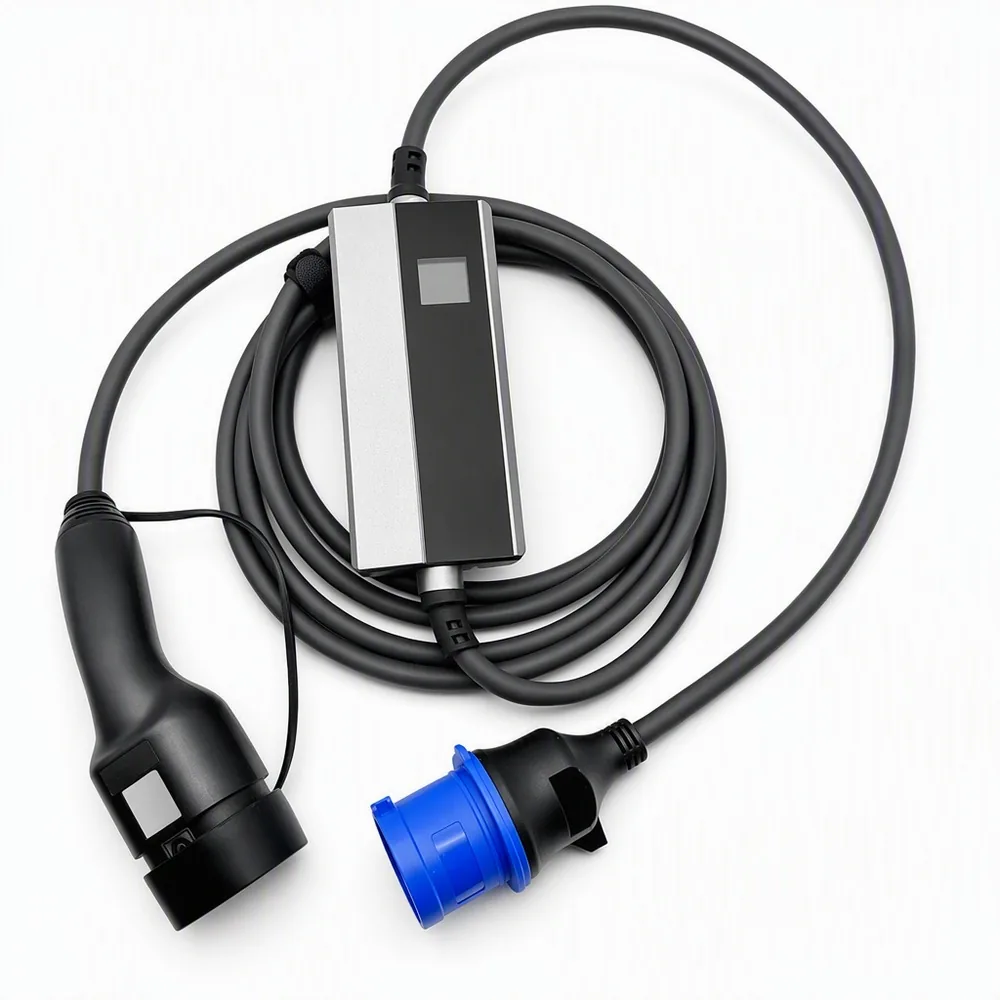
Portable Mode 2 Charger
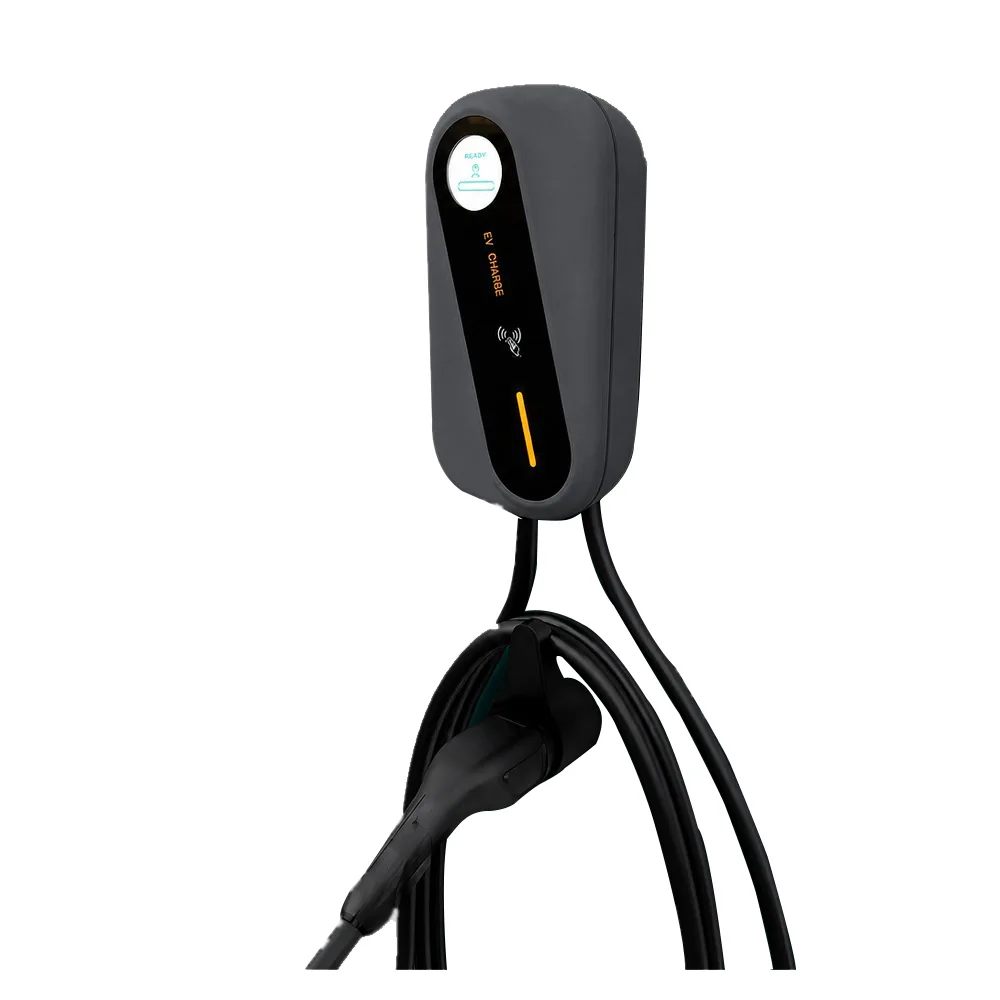
Level 2 AC Wallbox 7-22 kW