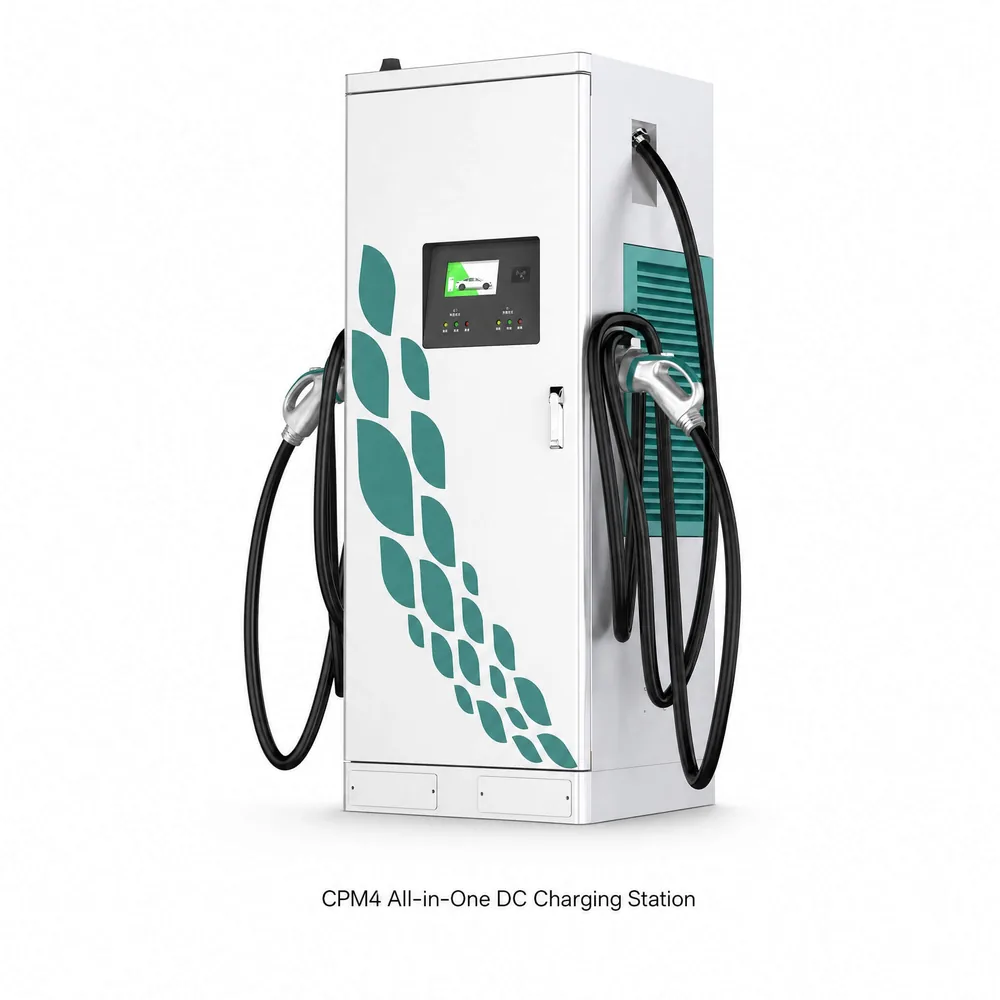
Mobile Charging Station 125 kW / 261 kWh
A mobile charging station combining a 125 kW DC charger with 261 kWh of LiFePO4 storage on a wheeled chassis. It brings high-power charging to locations with no grid connection, and provides temporary capacity for events, construction sites and seasonal demand peaks.
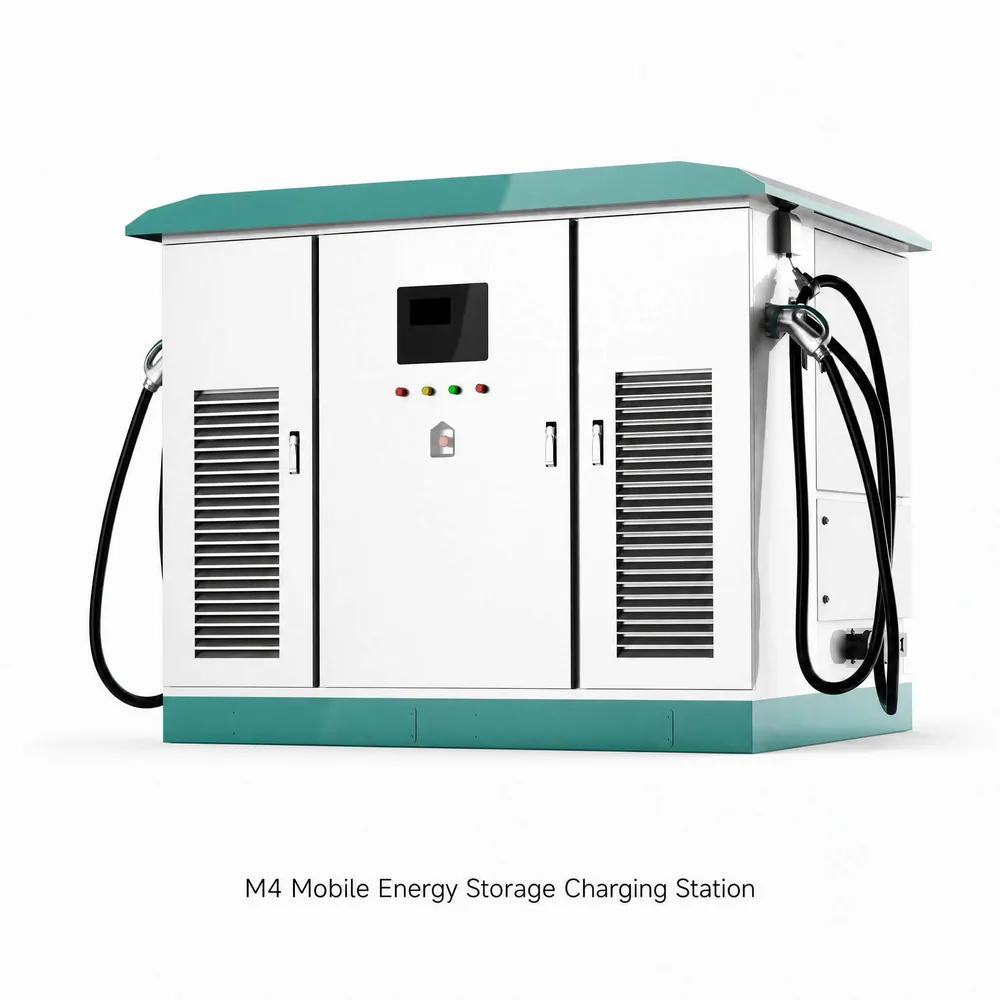
Key features
- Delivers 125 kW charging with no fixed grid connection
- 261 kWh LiFePO4 battery sized for roughly 30 - 40 full charges per deployment
- Towed or forklifted into position, operational within minutes
- Recharged overnight from an ordinary AC supply between deployments
- Used for events, construction sites, seasonal peaks and fleet emergencies
Configurable options
Technical specifications
Where this unit fits
A mobile charging station puts a DC charger and a battery on a wheeled chassis, so high-power charging can go where there is no grid connection at all. It is bought for temporary capacity rather than permanent infrastructure: events, construction sites, seasonal peaks and locations waiting for a grid connection that will take months.
Events, festivals and exhibitions
Vehicle displays, ride-and-drive events and temporary venues need charging for a few days and then it is over. A towable unit arrives charged and leaves without leaving a substation behind.
Construction and infrastructure sites
Site vehicles and equipment electrify before the permanent supply is energised. The unit bridges that gap and then moves to the next project.
Dealers, depots and seasonal peaks
A workshop that occasionally needs DC charging, or a depot that doubles in size for six weeks a year, avoids a permanent high-power connection sized for the peak.
Emergency and resilience cover
Where a storm or a fault takes out the supply, a charged mobile unit keeps a small fleet or a community hub running until the network is restored.
How to specify
- Size the battery against the number of sessions, not against the charger rating. A 261 kWh buffer delivers roughly a dozen 20 kWh sessions before it needs recharging itself.
- Agree how the unit will be recharged on site: AC supply, a generator or a solar input all change the daily duty cycle and therefore the practical availability.
- Check the towing and siting requirements. A wheeled chassis needs hard standing, access for the towing vehicle and a plan for cable routing to the vehicles being charged.
- Confirm the connector set against the vehicles actually attending; a mixed fleet may need CCS2 and GB/T on the same unit.
Frequently asked questions
How many vehicles can it charge before it needs recharging?
That depends on how much energy each vehicle takes. The battery capacity is the limit: if vehicles arrive at 20% and leave at 80%, each takes roughly 40 kWh, so a 261 kWh buffer covers about six such sessions before the unit must be recharged.
Can it run while being recharged?
Yes, the unit can charge vehicles while it is connected to a supply, which effectively extends the working day. The sustained rate is then limited by the supply rather than by the battery alone.
Which connectors can it be supplied with?
CCS2 as the standard for European deployments, with GB/T and CCS1 available for other markets. Where a mixed fleet is expected, the two guns can be specified with different connector types on the same unit.
Can it be moved between sites by road?
Yes. The unit sits on a wheeled chassis and is towed between locations, then recharged from an AC supply or a solar input on site. Transport and siting are agreed per project.
Related products
Portable Mode 2 Charger
Level 2 AC Wallbox 7-22 kW