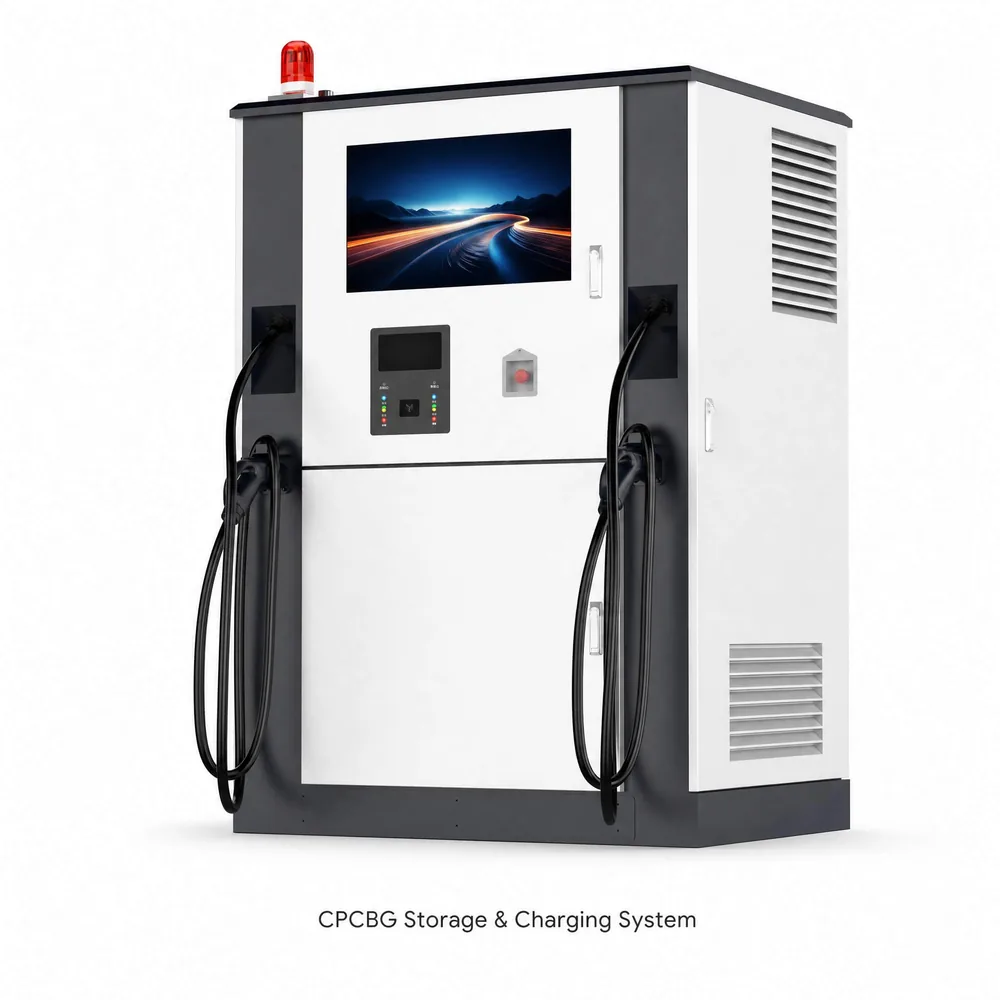
Air-cooled vs liquid-cooled DC charging
Liquid cooling is not automatically better — it is better at a specific point. Below that point it adds cost and maintenance for no gain; above it, air cooling simply cannot hold the current.
Key takeaways
- Cooling sets how much current a cable and a power module can sustain continuously.
- Air cooling is adequate for most destination and urban DC sites up to roughly 150-200 kW.
- Liquid cooling becomes worthwhile when sustained current is high, ambient temperatures are high, or cables must stay light enough for drivers to handle.
- Liquid cooling costs more and adds a maintenance item: coolant loop, pump and seals.
- BESTAR builds both — air-cooled DC from 20 kW, and a liquid-cooled split system up to 960 kW with 600 A cables.
What cooling is actually doing
Losses in the power modules and in the cable both become heat. Cooling is what lets that heat leave without derating the charger.
If heat cannot leave fast enough, the charger silently reduces its output — a 240 kW unit that derates to 150 kW in summer has not delivered what was paid for.
The cable is often the binding constraint at high current: a thick conductor is heavy, and heavy cables are hard for drivers to handle.
Where air cooling is enough
For most sites below about 150-200 kW, air cooling is the right answer.
Workplace, dealership, retail and fleet-depot charging in the 20-160 kW range is routinely served by air-cooled cabinets, with simpler servicing and lower capital cost.
If sessions are short and intermittent, the thermal mass of an air-cooled unit handles the peaks well.
Where liquid cooling pays off
Three conditions push the decision towards liquid: sustained high current, hot or enclosed sites, and driver-handled cables at high power.
Highway and bus-depot charging with repeated back-to-back sessions leaves little recovery time, so sustained output matters more than peak rating.
A liquid-cooled cable carries 500-600 A in a far lighter, more flexible package than an equivalent air-cooled conductor, which is what makes megawatt-class dispensers usable at all.
What it costs you
Liquid cooling is a trade, not a free upgrade.
Expect a higher capital cost, a coolant circuit with a pump, and periodic checks of coolant level and connections. Seals and connectors become parts that need a maintenance plan.
Set against that: sustained output in hot climates, smaller cable cross-section, and lower acoustic noise because large fans are not needed.
How to choose
Decide by duty cycle and ambient conditions rather than by headline power.
Frequently asked questions
At what power does liquid cooling become necessary?
There is no hard threshold — it depends on duty cycle and ambient temperature. As a working rule, sites above roughly 200-300 kW per dispenser, or any site with continuous back-to-back sessions, should be specified with liquid cooling.
Does liquid cooling increase the charging speed?
Not by itself. It prevents the charger from reducing output when it gets hot, so the advertised power is actually available over a long session or a hot day.
Is the coolant circuit a maintenance burden?
It is an additional item: coolant level, pump and connections need periodic inspection. Most operators accept this as the cost of reliable high-power output.
Are liquid-cooled cables noticeably lighter?
Yes. Because the conductor can be smaller for the same current, the cable is lighter and more flexible, which matters a great deal to drivers at 300-600 A.
Can air-cooled and liquid-cooled units be mixed on one site?
Yes, and it is often the most economical layout: liquid-cooled dispensers on the high-turnover bays, air-cooled units on the overnight or destination bays.
What does BESTAR offer?
Air-cooled DC from 20 kW to 240 kW, and a liquid-cooled split system rated 360-960 kW with 600 A liquid-cooled cables for depot and highway use.
Related products
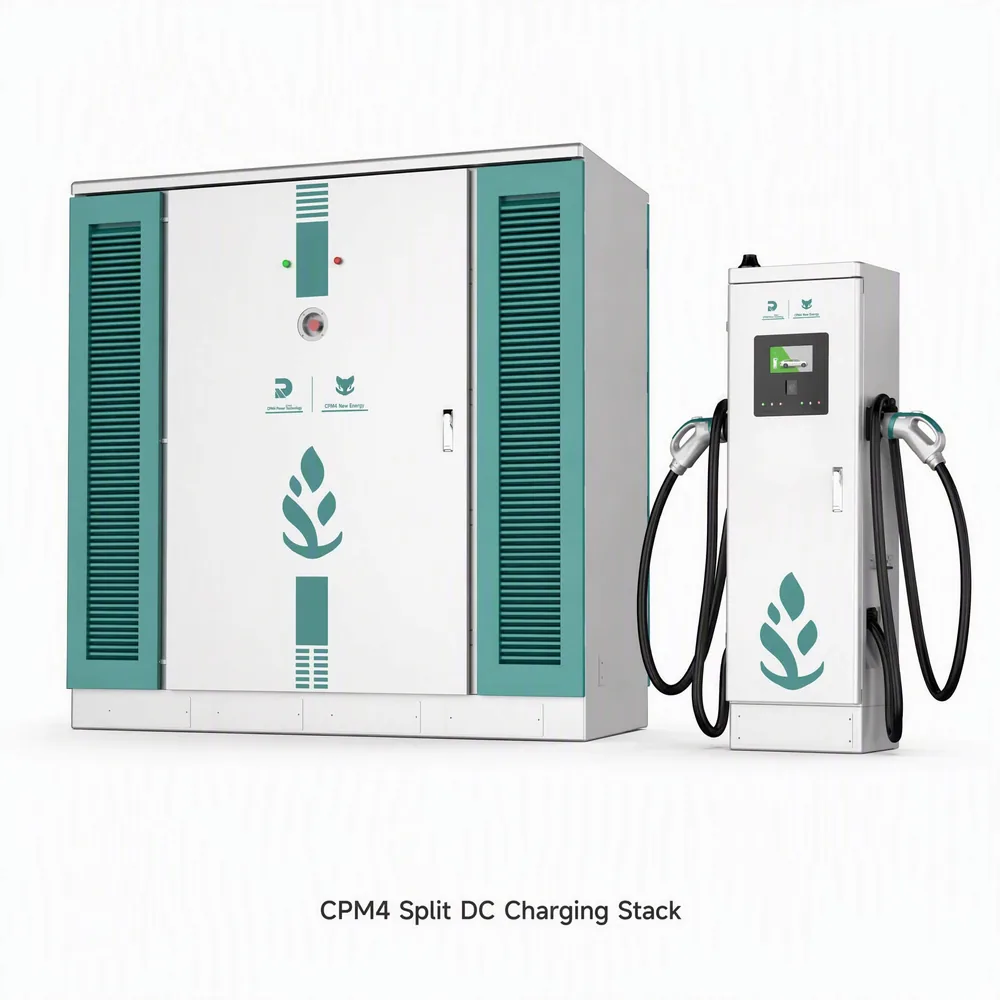
Liquid-Cooled Split DC 360-960 kW
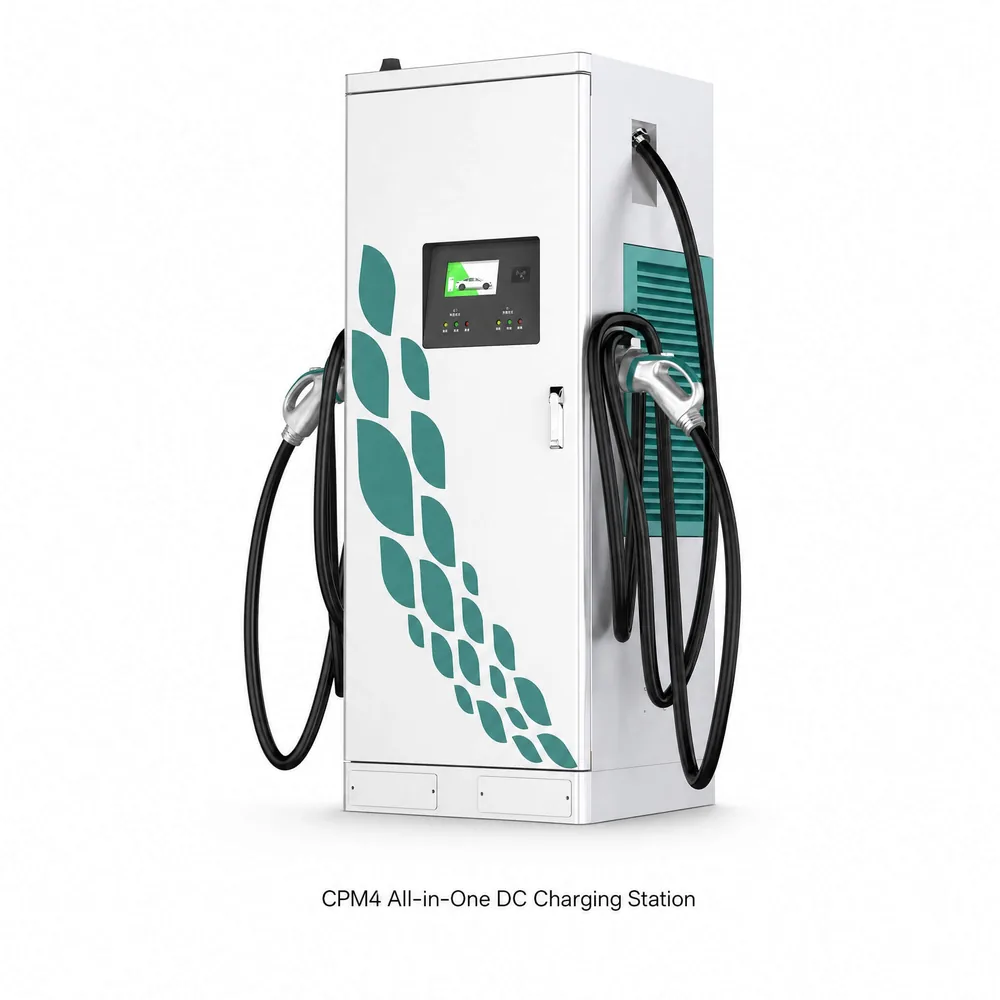
DC Fast Charging Station 60-160 kW