OCPP 1.6J vs OCPP 2.0.1
OCPP is the language your chargers and your back office speak. Version 1.6J is what most installed networks run today; 2.0.1 is what new public build-outs are increasingly specifying. This guide sets out what actually changes, and what it means for the hardware you buy.
Key takeaways
- OCPP 1.6J remains the de-facto baseline and is supported by virtually every back office on the market.
- OCPP 2.0.1 adds device management, defined security profiles and native support for ISO 15118 Plug & Charge.
- The two versions are not backward compatible: a 1.6J charge point cannot talk to a 2.0.1-only CSMS.
- The safe purchase is a controller with updatable firmware, so the protocol can follow your network.
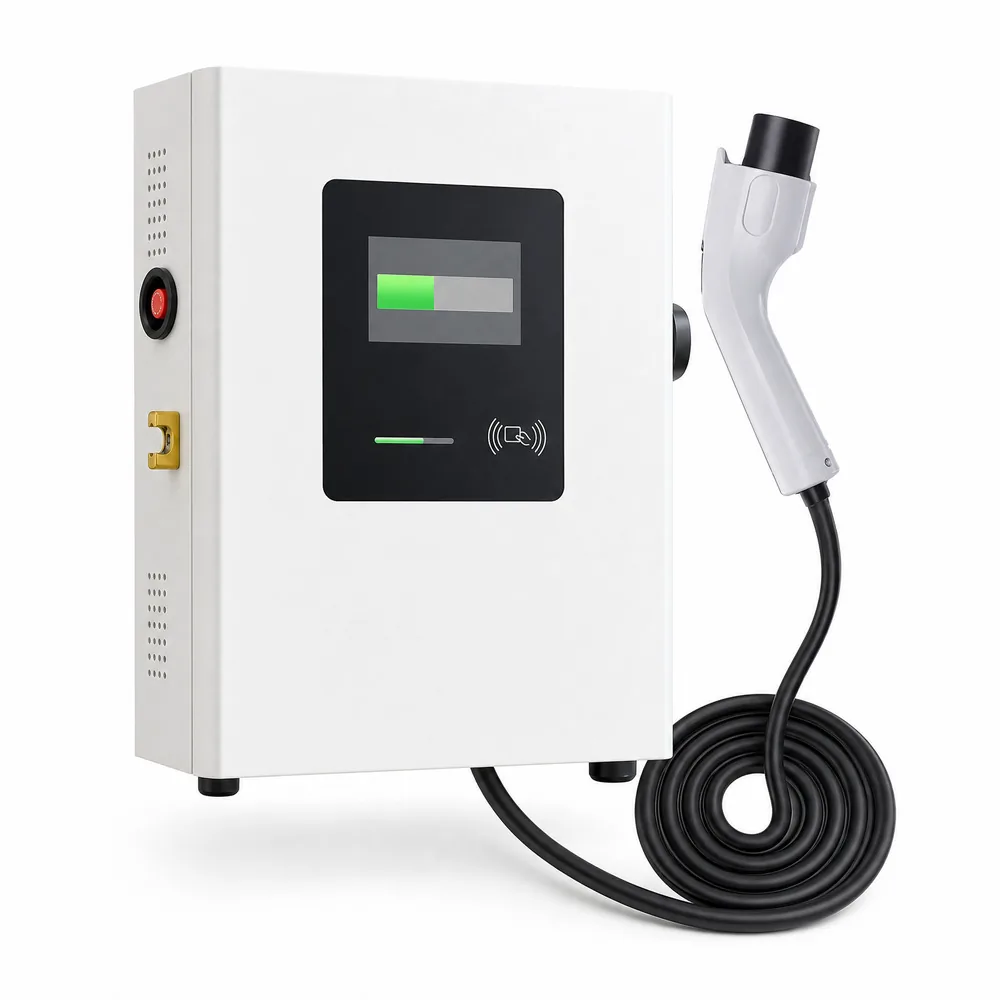
- BESTAR AC wallboxes and DC chargers are supplied with OCPP 1.6J; 2.0.1 is available on request.
What OCPP actually does
OCPP (Open Charge Point Protocol) standardises the messages between a charge point and the central system that manages it — authorisation, transactions, meter values, firmware and status.
If you operate more than one or two charge points, this is the layer that decides whether you can swap your back office later, or whether the hardware locks you in.
The protocol version is a property of the charge point controller and the CSMS (charge point management system). Both ends must speak the same major version.
What 1.6J gives you
1.6 is the 2015 release; "1.6J" is the JSON encoding together with the security extension published alongside it, and it is what most hardware and software in the field implements.
In practice 1.6J covers everything a private or semi-public network needs: RFID authorisation, start/stop transactions, meter values, smart charging with simple limits, and basic diagnostics.
Its strength is compatibility: nearly every CSMS, roaming hub and payment terminal supports it.
What 2.0.1 adds
2.0 was a rewrite rather than an update, and 2.0.1 is its maintained release. The additions matter most at scale.
Device management is built in, so configuration, monitoring and component-level diagnostics are standardised instead of vendor-specific.
Security profiles are defined in the specification, and ISO 15118 Plug & Charge is supported natively — the vehicle authenticates itself and the driver simply plugs in.
Smart charging is more expressive, which is what grid-aware and fleet-depot schedules tend to need.
Compatibility and migration
This is the point that catches buyers out: 2.0.1 is not a superset of 1.6J.
A 1.6J charge point will not talk to a 2.0.1-only back office, and the reverse also holds. Networks in transition therefore run a CSMS that accepts both, or keep the two populations separate.
Ask two questions before ordering: can the controller firmware be updated in the field, and does your CSMS vendor commit to a 2.0.1 date?
How to choose
Match the version to the network you are building, not to the newest number on the spec.
Frequently asked questions
Is OCPP 2.0.1 backward compatible with 1.6J?
No. The two are separate major versions and a charge point speaking one cannot exchange messages with a central system that only speaks the other. In transition, operators use a CSMS that supports both.
Do I need 2.0.1 for Plug & Charge?
Not strictly — ISO 15120/15118 flows can run over 1.6J with vendor extensions — but 2.0.1 supports Plug & Charge natively, which is far less work to deploy and to keep working.
Can a 1.6J charger be upgraded to 2.0.1 later?
Only if the controller has sufficient resources and the vendor ships 2.0.1 firmware for it. Treat "field upgradable firmware" as a purchasing requirement rather than an assumption.
What is a CSMS?
The charge point management system — the back office that authorises users, records transactions, sets charging limits and monitors the estate. OCPP is the message set between it and the chargers.
Does the protocol affect the hardware I buy?
Yes. The protocol runs on the charge point controller, so the controller and its firmware roadmap determine which versions you can run over the life of the installation.
Which version does BESTAR supply?
OCPP 1.6J as standard on AC wallboxes and DC chargers, with 2.0.1 available on request. Tell us which back office you use and we confirm the combination before you order.
Related products
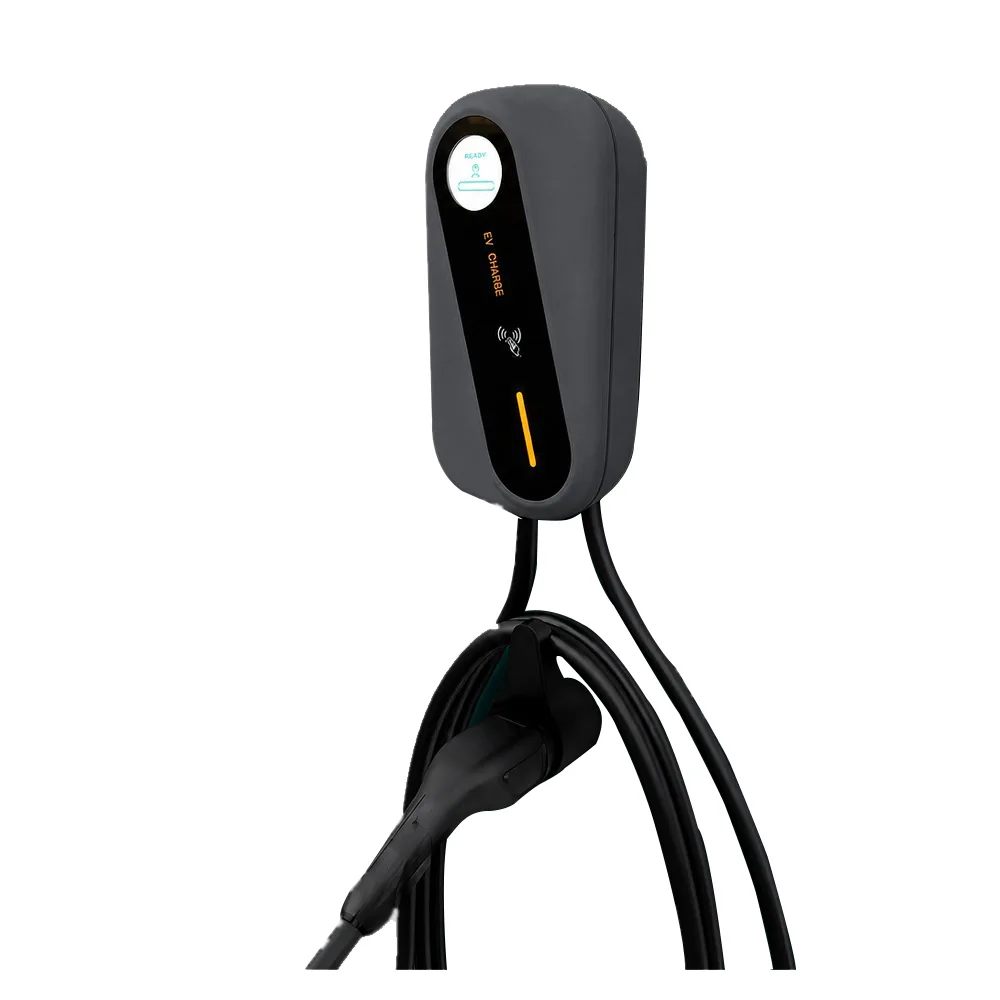
Level 2 AC Wallbox 7-22 kW
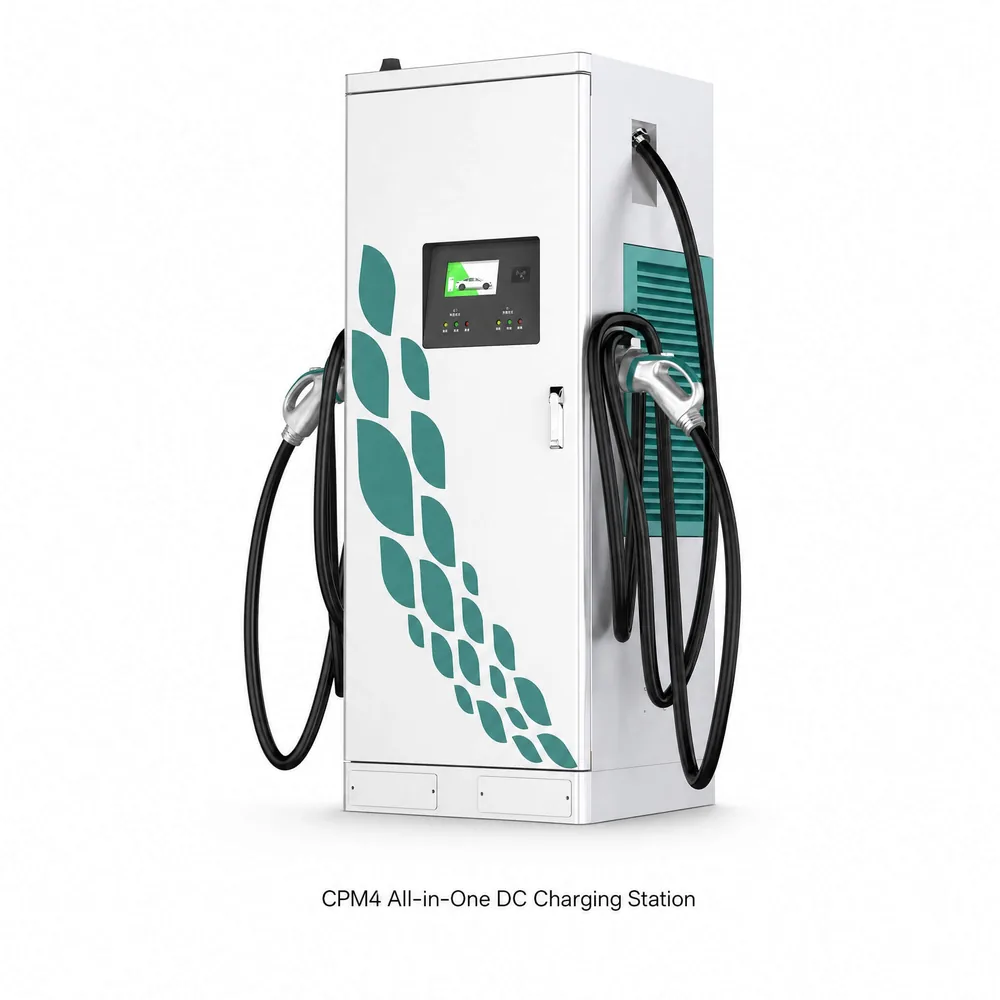
DC Fast Charging Station 60-160 kW